
Dental Sealants
Protect cavity-prone teeth with dental sealants that create a strong, invisible barrier against decay.
Your First Visit, Simplified
At Dental Studio, your healthy smile starts with a comprehensive exam. During your first visit, our experienced team will perform a full evaluation to understand your needs and ensure you recieve the personalized care you deserve.
After your exam, we’ll schedule your hygiene (cleaning) appointment based on your specific treatment needs and insurance coverage – giving you a plan that is tailored just for you.
Limited Time Offer for New Crowns
New Patient?
Schedule an Exam and X-Rays
Sealants for Lasting Cavity Protection
Dental sealants are a simple and effective way to guard your teeth—especially molars—against cavities.
This thin, protective coating seals out food and bacteria from the grooves of your back teeth. Application is quick, painless, and perfect for both kids and adults at higher risk of decay.
With sealants, you can enjoy extra peace of mind knowing your smile is protected.
Benefits of Dental Sealants
- Prevents Cavities – Protects vulnerable back teeth from decay
- Quick and Painless – Applied in just minutes with no discomfort
- Long-Lasting – Offers protection for years with proper care
- Cost-Effective – Reduces the need for future fillings or dental work
- Great for All Ages – Especially effective for children’s newly erupted molars.
All About Dental Sealants
What to except during your sealant appointment?
Your dentist will clean and dry the tooth before applying a special gel to prepare the surface. The gel is rinsed off, and the sealant material is painted onto the tooth’s grooves. A curing light is then used to harden the sealant, creating a strong protective shield. The entire process takes only a few minutes per tooth.
Why dental sealants matter?
Even with regular brushing and flossing, it’s easy to miss the deep grooves of back teeth. Sealants provide an added layer of defense in these hard-to-clean areas, reducing the risk of cavities
How often should you reapply dental sealants?
Sealants can last several years but should be checked during routine exams. They may need to be reapplied every 2–5 years depending on wear and tear.
- A chipped or worn sealant
- New sensitivity in the back teeth
- Visible staining or early signs of decay
- Recently erupted permanent molars in children
- A history of frequent cavities
Techology that improves your exam
We use advanced resin-based sealants and curing lights that bond quickly and last longer, ensuring maximum protection with minimal chair time.
Book your next appointment with Dental Studio
Our new patient special is a great way to give our dental office a try. Pay only $59* for your first healthy mouth cleaning, exam and digital x-rays.
Real Patients. Real Results
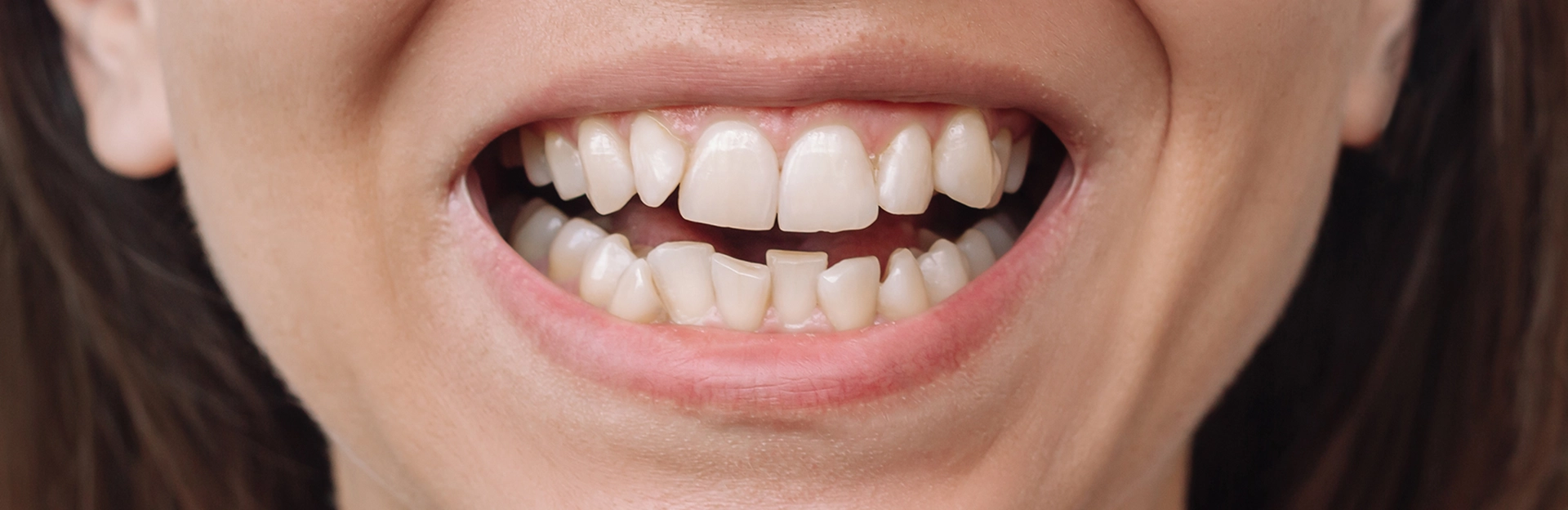
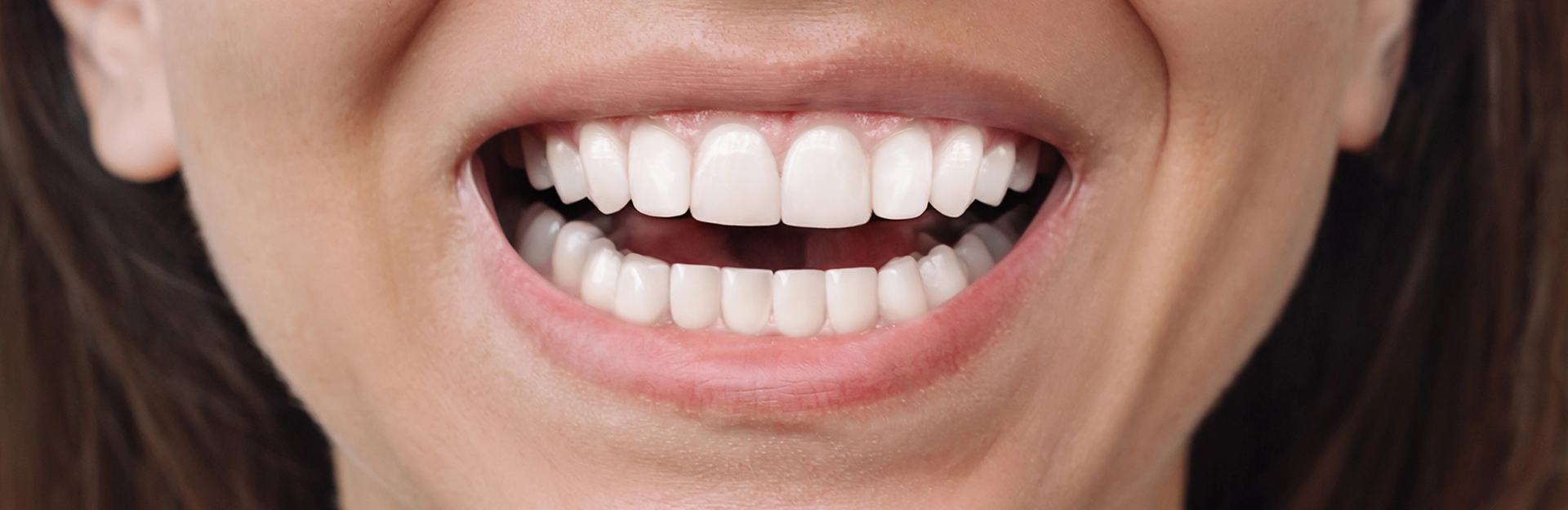
Explore our “Before and After” gallery to see real patient transformation and the confident smiles our team helps create every day.
Where to Find Us
We are proud to be the preferred Buda, TX Dentist.
Dental Studio
Address:
1671 Main St. Suite B
Buda, TX 78610
(512) 295-5777
Hours:
Monday: 8AM – 5PM
Tuesday: 8AM – 5PM
Wednesday: 8AM – 5PM
Thursday: 8AM – 3PM
Closed Friday through Sunday
Got Any Questions?
How often should I go to the dentist?
We recommend visiting the dentist at least every 6 months. Early detection of decay or gum disease makes treatment easier and less costly. However, your needs may vary, so we tailor recall visits based on your unique oral health.
How often should I brush my teeth?
The ADA recommends brushing at least twice a day. Avoid brushing immediately after acidic foods or drinks—wait about 30 minutes to protect your enamel.
Electric vs. Manual Toothbrush: Which is better?
Both are effective if used properly, but many studies show that electric toothbrushes remove plaque more efficiently. Brands like Sonicare and Oral-B offer features that help reach difficult areas and enhance your brushing routine.
When should my child first visit the dentist?
Children should visit the dentist as early as age 3—or whenever they can sit in the chair for an exam. Early visits help us monitor development and build good dental habits from the start.
What should I do if I have bad breath?
Bad breath is often caused by plaque, gum disease, or bacteria. Solutions include:
- Professional cleaning
- Brushing the tongue
- Flossing and using mouthwash
- Avoiding overly spicy foods
Persistent bad breath may signal a larger issue—schedule a visit if it continues.